
An icon without context is just a riddle.
Look at a pencil icon alone on a screen. Do you edit? Write? Draw? If the user has to guess, the design has already failed. Clarity isn't a bonus feature — it's the whole job.
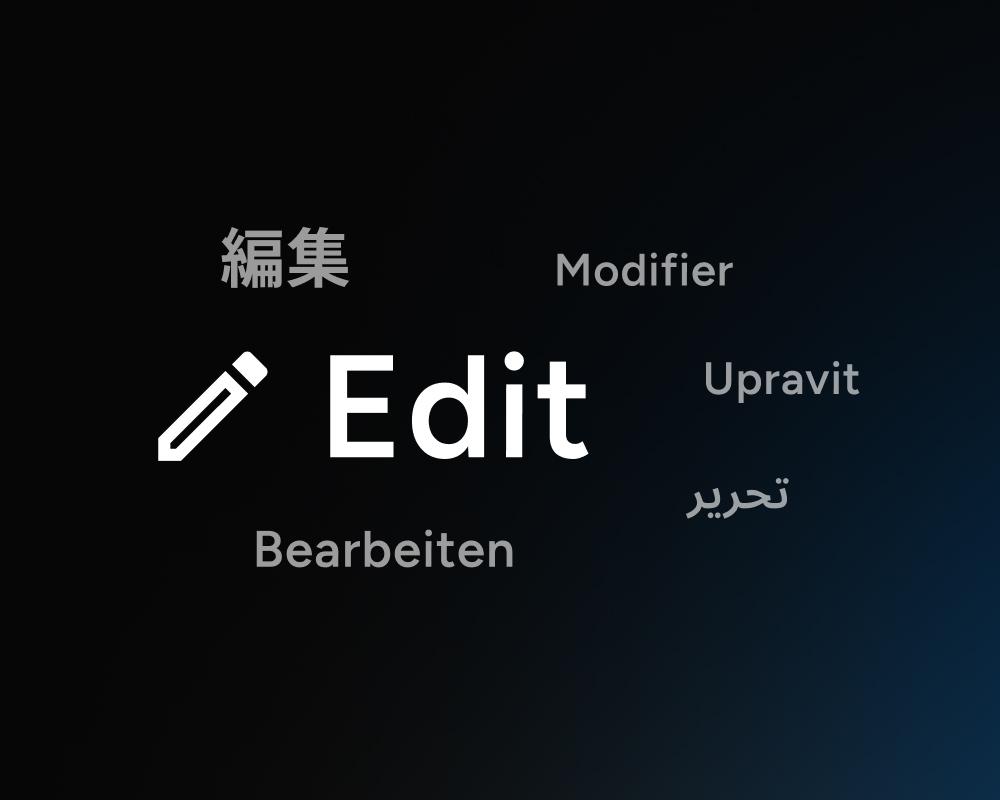
Labels speak every language.
Pair that same pencil icon with the word Edit, and suddenly it works in Tokyo, Prague, Riyadh, and Berlin. Design that speaks to people leaves no room for guesswork. Words and visuals together are always stronger than either alone.
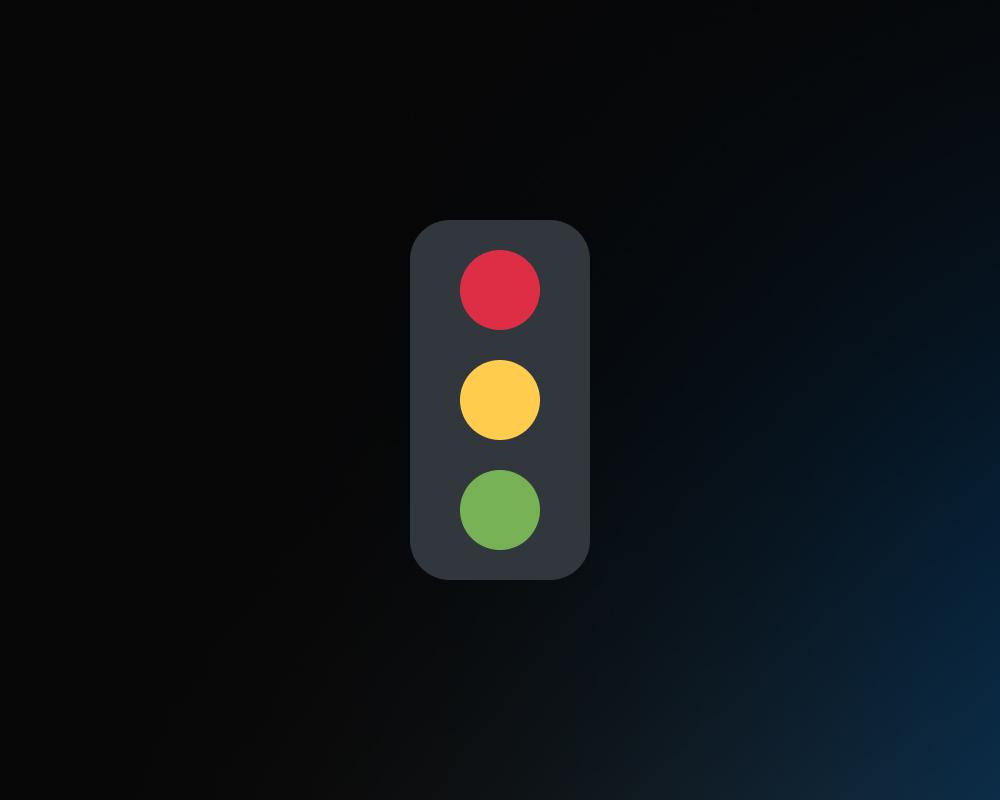
Users don't want surprises.
Patterns exist for a reason. When you break a familiar interaction — a swipe, a button placement, a back gesture — you break the user's trust. Predictability isn't boring. It's respectful.
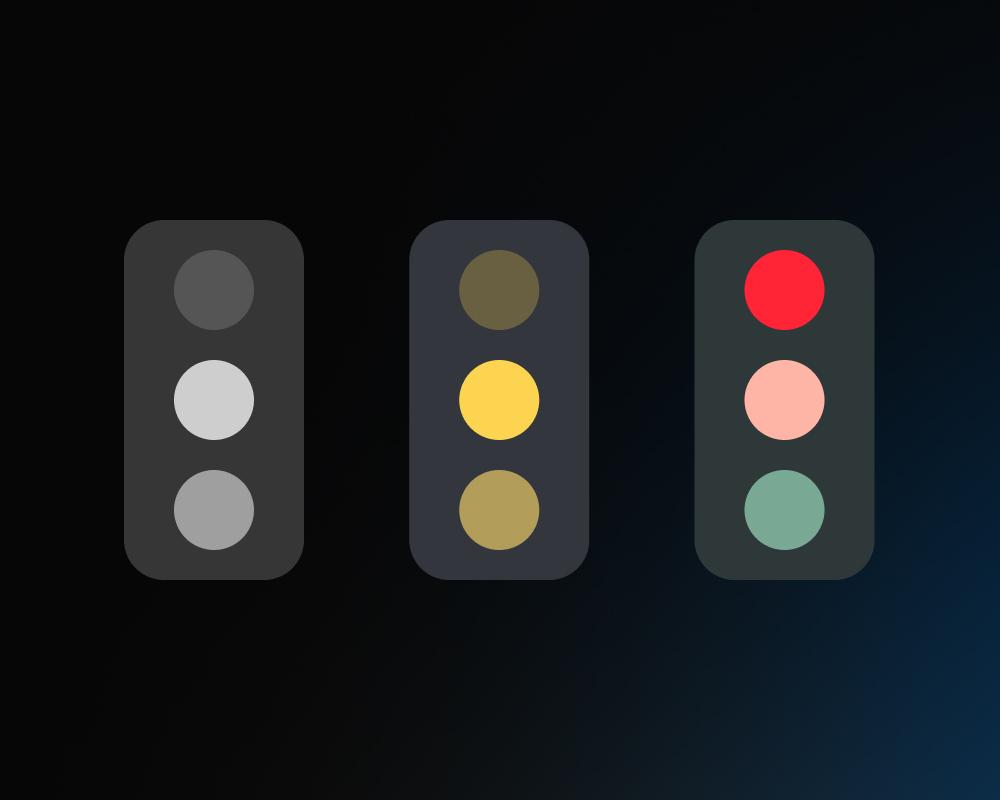
Color is not a messenger. It's a reinforcement.
If red is the only thing telling someone to stop, you've excluded every user with color blindness, every person in bright sunlight, every screen with poor contrast. Design is for everyone — not just the majority with ideal conditions.
Good design solves problems. Great design builds relationships.
At its core, design is the soul of your brand. It's the moment a user feels understood — not frustrated, not lost, not excluded. That feeling compounds. It turns users into advocates.
The vibe follows the function. Never the other way around.